.png/:/cr=t:0%25,l:0%25,w:100%25,h:100%25/rs=w:1280)
When planning a new home or any major building project, it's tempting to cut corners to save time and money. One of the first things many people question is: "Do I really need a soil test?"
On paper, skipping a geotechnical (soil) investigation might look like an easy way to trim the budget. In reality, it's one of the riskiest cost‑cutting decisions you can make—and it often leads to much higher expenses down the line.
This blog breaks down what a soil test is, why it matters, and the hidden costs you're taking on if you choose to build without one.
What Is a Soil Test, Really?
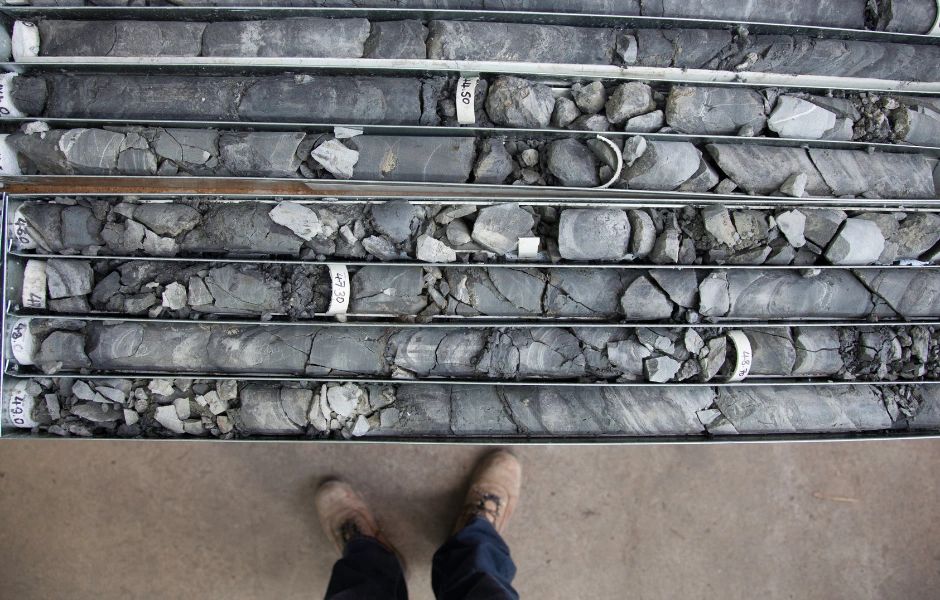
A soil test (often called a geotechnical or geotech report) is an investigation of the ground conditions on your site. Typically, an engineer or geotechnical specialist will:
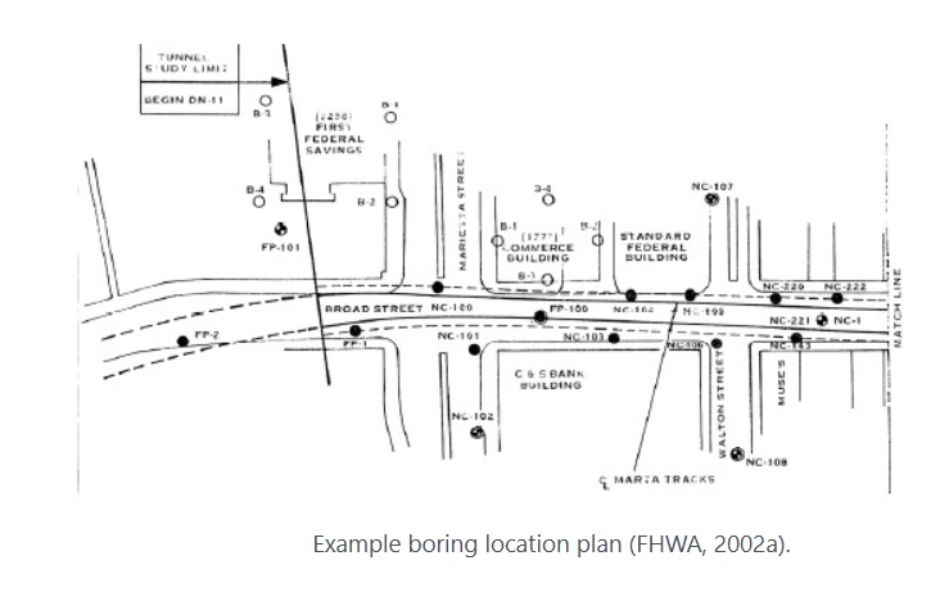
- Drill or bore holes in one or more locations
- Take samples of soil and sometimes groundwater
- Test for:
- Soil type and layering (sand, clay, rock, fill, etc.)
- Bearing capacity (how much load the soil can safely carry)
- Reactivity/expansiveness (how much the soil swells or shrinks)
- Compaction and density
- Water table level and drainage characteristics
They then provide a report with recommendations for:
- Foundation type and depth
- Slab design (e.g., thickened edge slab, raft slab, pier and beam)
- Drainage and site preparation
- Any special measures (e.g., soil replacement, retaining structures)
In short, a soil test tells the structural engineer what they're actually dealing with underground—so the building can be designed safely and efficiently.
The Illusion of Saving Money
Skipping a soil test might save you a few hundred or even a couple of thousand dollars upfront. But that "saving" is often dwarfed by what happens later.
Without a soil test, you're building on assumptions, such as:
- "The neighbour's house is fine, so my soil must be fine."
- "It's a flat block, there won't be an issue."
- "The builder has built here before; they know what they're doing."
Soil can change drastically over just a few meters due to:
- Old fill material
- Previous excavations
- Natural variations (pockets of clay, soft spots, rock shelves, etc.)
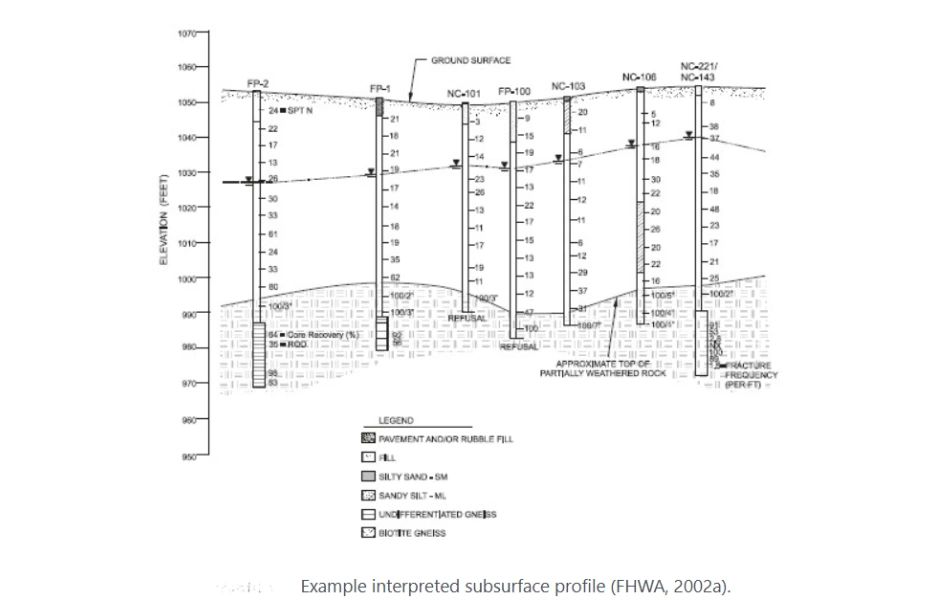
When those assumptions are wrong, the costs show up as rectification, redesign, delays, and disputes—all far more expensive than the initial test.
Hidden Cost #1: Structural Damage and Repairs
The biggest risk of skipping a soil test is getting the foundation wrong. Foundations are designed based on the soil's behaviour. If the soil is weaker or more reactive than assumed, you may see:
- Cracking walls and ceilings
- Doors and windows that stick or don't close properly
- Sloping or uneven floors
- Cracks in tiles and concrete paths
- Movement in retaining walls or garages
.png/:/rs=w:1280)
Repairing structural issues is not only expensive, it's disruptive and sometimes only partially effective. Common rectification costs include:
- Underpinning foundations
- Adding piers or piles after the fact
- Jacking and re‑levelling slabs
- Replacing cracked masonry or internal lining
- Repairing plumbing damaged by ground movement
What might have been a $500–$1,500 soil test can turn into tens of thousands in repairs, plus stress and disruption.
Hidden Cost #2: Over‑Engineering "Just in Case"
Some builders, if they don't have a soil test, will err on the side of caution and over‑engineer the foundation. That may sound safe, but it can mean:
- Deeper footings than necessary
- More concrete and steel than required
- Extra piers or more complex foundation systems
While this reduces the risk of failure, it increases your construction cost unnecessarily. You're essentially paying a "risk premium" because no one bothered to find out what the soil is actually like.
With a soil test, your engineer can design a fit‑for‑purpose solution—neither under‑designed nor wastefully over‑designed.
Hidden Cost #3: Delays and Variations During Construction
Unexpected ground conditions discovered during construction are one of the most common causes of delays and cost blowouts.
Without a soil test, your project might hit surprises like:
- Hitting rock where shallow footings were planned
- Discovering deep soft soil or uncontrolled fill
- Finding a high water table or seepage during excavation
.png/:/cr=t:0%25,l:0%25,w:100%25,h:100%25/rs=w:1280)
This leads to:
- Emergency redesigns of the foundations
- Extra excavation and disposal costs
- Additional concrete, reinforcement, or piers
- Delays while engineers revise drawings and obtain approvals
And because these conditions weren't anticipated, they often appear as variation claims from the builder—costs you weren't planning for.
A simple soil test upfront dramatically reduces the chance of these "unknowns" throwing your build off schedule and off budget.
Hidden Cost #4: Compliance, Insurance, and Legal Risks
In many regions, a geotechnical report is strongly recommended—or even required—by:
- Building codes and standards
- Local planning authorities
- Lenders or insurers (especially for complex builds or poor soil areas)
Skipping a soil test can expose you to:
- Non‑compliance with building standards – If it's later found that the foundation design was not appropriate for the actual soil conditions, responsibility can get messy and expensive.
- Insurance headaches – Insurers may contest claims related to structural movement if investigations show foundations were inadequately designed due to lack of proper soil information.
- Disputes and litigation – Structural issues without a clear soil report can turn into long, complex disputes between owner, builder, and engineer over who is at fault. Legal fees and expert reports quickly outstrip the cost of a soil test.
Hidden Cost #5: Drainage and Moisture Problems
Soil tests don't just inform foundation design; they also give insight into drainage and water behaviour on site:
- Does water drain freely or is it poorly draining clay?
- Is there a risk of seasonal swelling and shrinking?
- How close is the water table to the surface?
Without this info, you're more likely to suffer:
- Water pooling around footings and slab
- Rising damp and mould problems
- Accelerated foundation movement due to changing moisture levels
Fixing drainage issues can involve:
- Retrofitting surface drains and swales
- Installing subsoil drainage systems
- Regrading soil and landscaping
- Ongoing maintenance to keep water away from the building
Again, this usually costs far more than a proper investigation would have.
.png/:/cr=t:0%25,l:0%25,w:100%25,h:100%25/rs=w:1280)
.png/:/rs=w:1280)
Hidden Cost #6: Reduced Longevity and Resale Value
Even if obvious structural damage doesn't appear immediately, a building on a poorly understood foundation may:
- Age faster and need more frequent maintenance
- Develop cosmetic cracking and minor movement that concerns buyers
- Raise red flags during pre‑purchase building inspections
Future buyers (and their inspectors) often ask:
- Was there a soil report?
- Were the foundations designed according to that report?
If you can't provide solid documentation, you may face:
- Lower offers
- Requests for costly rectification before sale
- Buyers walking away entirely
A soil test and compliant foundation design help protect the long‑term value of your property.
.png/:/cr=t:0%25,l:0%25,w:100%25,h:100%25/rs=w:1280)
When Is a Soil Test Especially Critical?
While it's wise for almost any build, a soil test is particularly important if:
- The site has noticeable slope
- There's visible cracking in nearby buildings or pavements
- The area is known for reactive clay or subsidence
- There's evidence of previous filling, demolition, or excavation
- You're planning multi‑storey construction, basements, or retaining walls
- You're building close to boundaries, easements, or existing structures
In these situations, guessing is gambling.
How to Approach Soil Testing the Smart Way
- Engage a qualified geotechnical engineer or reputable testing firm.
- Share your intended building plans (storeys, basement, pool, etc.) so they test appropriately.
- Make the soil report available to your structural engineer and builder before finalizing design and contracts.
- Ensure your building contract reflects the geotechnical assumptions—so if conditions differ significantly later, there's a clear process for handling variations.
The Bottom Line
Skipping a soil test might feel like saving time and a small amount of money at the start. In reality, you're shifting risk into the future—risk that shows up as structural damage, extra materials, redesigns, disputes, and reduced property value.
A soil test is one of the highest‑value, lowest‑cost investments you can make in a building project. It turns unknowns into knowns, so your team can design and build with confidence.
If you're planning to build, treat the soil test as non‑negotiable—just like having plans, permits, and insurance. The money you spend now is almost always far less than the hidden costs of not doing it.