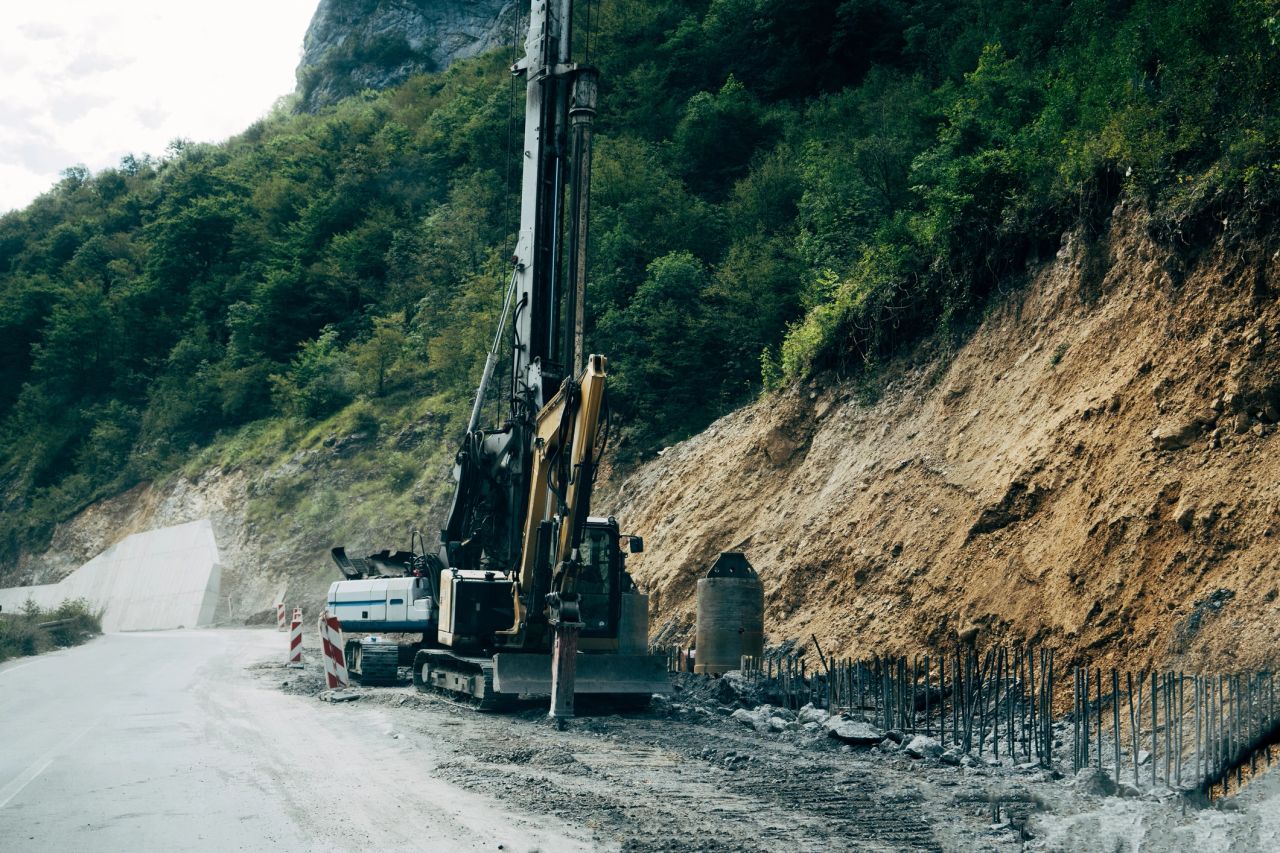
Geotechnical Insights: Navigating Hidden Subsurface Challenges
Understanding the ground beneath your project is key to successful construction, particularly when factors like soil variability and rock mechanics come into play. In any construction endeavour in Sydney, New South Wales or beyond addressing geotechnical challenges early can prevent unforeseen setbacks and costly delays.
This guide introduces you to the world of geotechnical investigation, highlighting how early evaluation of subsurface conditions informs better design decisions:
- Soil and Rock Mechanics: Learn how the behavior of these materials influences foundation stability.
- Risk Mitigation Strategies: Discover practical methods to identify and manage ground risks before they disrupt construction.
- Localized Site Analysis: Understand the importance of adapting strategies to local geological conditions for optimal outcomes.
By exploring these core topics, you'll gain insights into assessing ground stability and implementing cost-effective solutions tailored to your project's unique demands. This section sets the stage for practical, actionable steps that empower you to tackle construction challenges head-on with confidence and precision.
Navigating Geotechnical Hurdles
In construction projects, understanding geotechnical challenges is essential to ensure long-term stability and safety. A solid grasp of soil stability, rock mechanics, and comprehensive site inspections equips engineers and contractors with the insights necessary to mitigate risks and optimize design. Ground conditions vary greatly and require careful analysis—especially in regions such as Sydney and New South Wales where soil and rock profiles can present unique challenges.
Key areas to focus on include:
- Soil Stability: Evaluate load-bearing capacity and potential settlement issues during the planning phase.
- Rock Mechanics: Study the behavior of rock masses under different loading conditions to inform support systems and excavation methods.
- Site Inspections: Conduct regular and detailed site inspections to identify subsurface anomalies that could impact construction.
Practical guidance involves integrating modern geotechnical testing methods and continuously monitoring ground conditions throughout the project life cycle. By adopting these strategies, professionals are better positioned to develop effective design solutions that are both safe and cost-efficient, ultimately leading to a more reliable construction outcome.
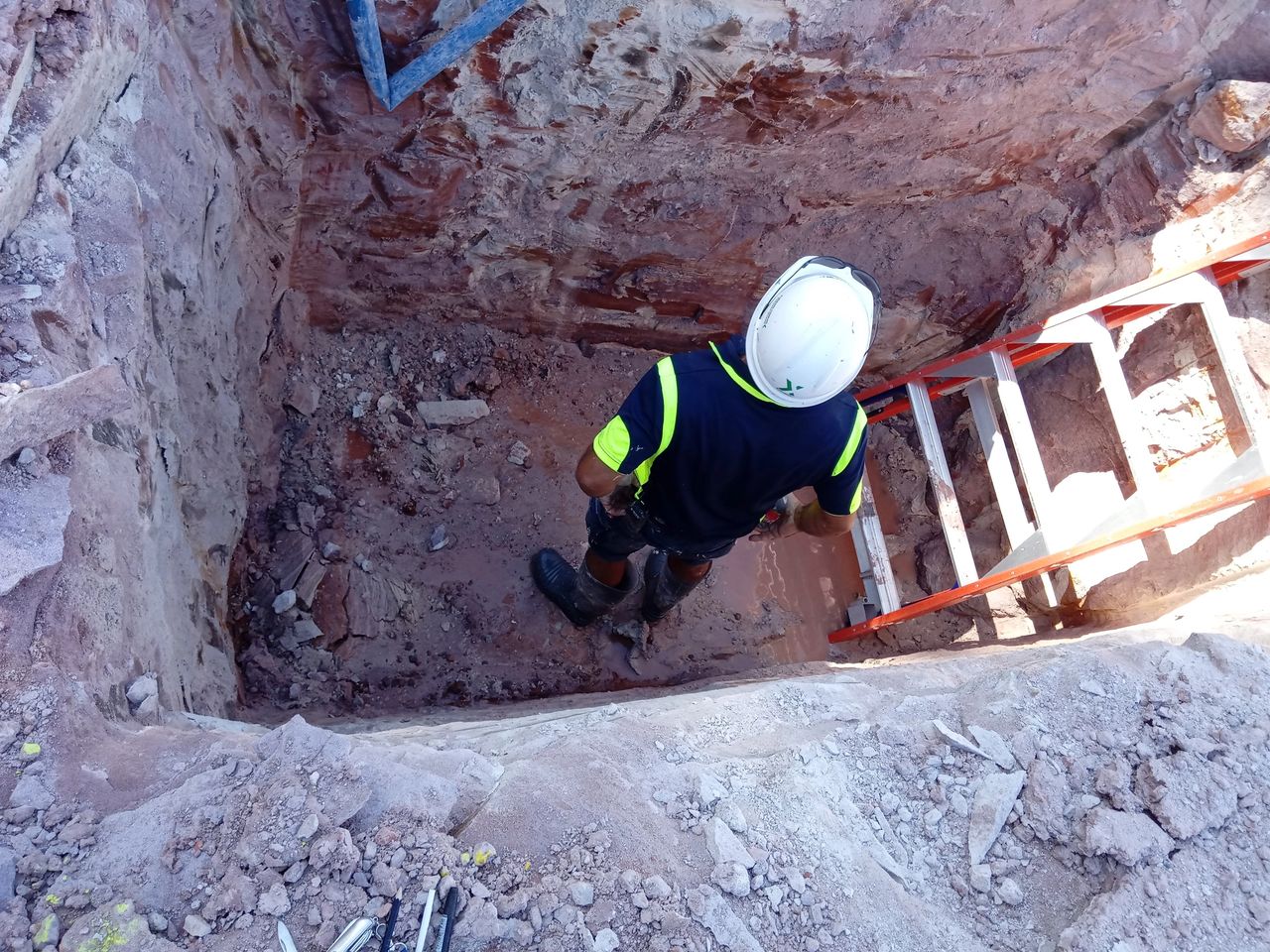
Step-by-Step Guide to Conducting Geotechnical Assessments
Begin by understanding that a comprehensive geotechnical assessment is crucial for ensuring safe and stable construction foundations, especially in regions like Sydney and throughout New South Wales. This guide breaks down the process into manageable, practical steps designed for actionable results.
1. Preliminary Site Evaluation
Perform a visual inspection of the site, noting topographical features and surface conditions that may indicate underlying issues.
2. Subsurface Investigation
- Execute drilling or other sampling methods to extract soil and rock specimens.
- Conduct on-site tests to gather initial data about material properties.
3. Laboratory Analysis and Data Interpretation
- Analyze samples for soil composition, strength, and moisture content.
- Use standardized testing protocols to establish a reliable foundation for engineering decisions.
4. Risk Assessment and Reporting
- Identify potential geotechnical hazards and propose mitigation steps.
- Summarize findings into a detailed report that guides the construction process.
Following these steps not only enhances safety and reliability but also supports clear, data-driven decisions in urban planning and construction projects. This methodical approach ensures practical implementation and long-term stability in geotechnical engineering.
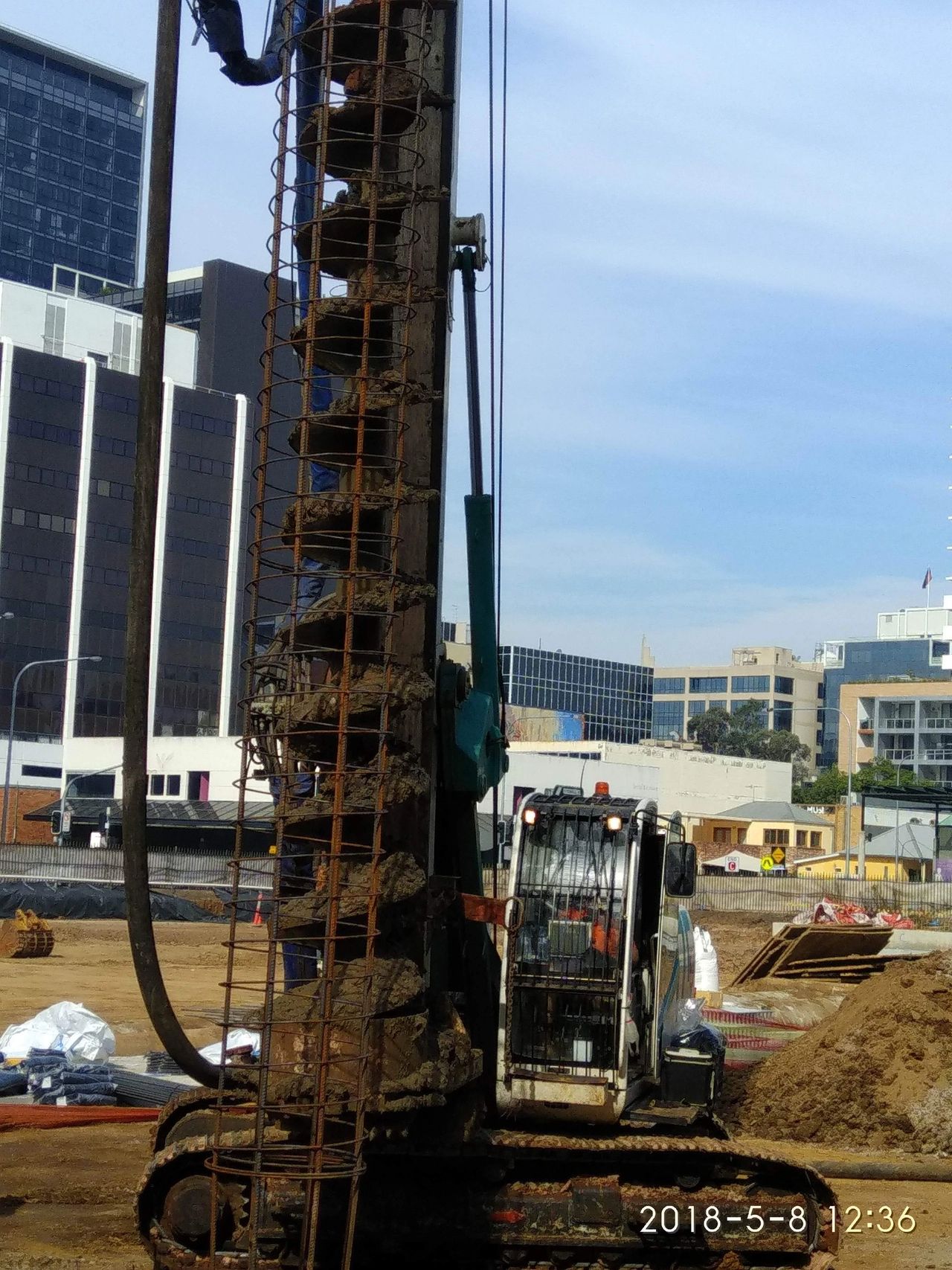
Transforming Risk into Opportunity with Early Geotechnical Insights
Investing in early geotechnical assessments transforms potential risks into strategic advantages on your construction project. Addressing subsurface challenges before breaking ground helps ensure that your project remains safe, stable, and cost-efficient.
By identifying soil conditions, rock integrity, and environmental factors at the outset, you gain several benefits:
- Cost Savings: Early detection of potential complexities minimizes unexpected expenses and redesign costs later in the process.
- Improved Safety: Proactive evaluations reduce hazards, ensuring safe working conditions and long-term structural stability.
- Streamlined Scheduling: Identifying ground issues beforehand prevents delays and keeps your timeline on track.
- Enhanced Decision-Making: Data-driven insights lead to more effective planning and selection of construction methods suited for local conditions such as those found in Sydney and New South Wales.
This approach not only safeguards your investment but also lays a strong foundation for lasting performance. Integrating early geotechnical reviews into your construction strategy offers a roadmap to mitigate challenges and optimize the integrity of your project, ensuring success in both the immediate and future phases of development.
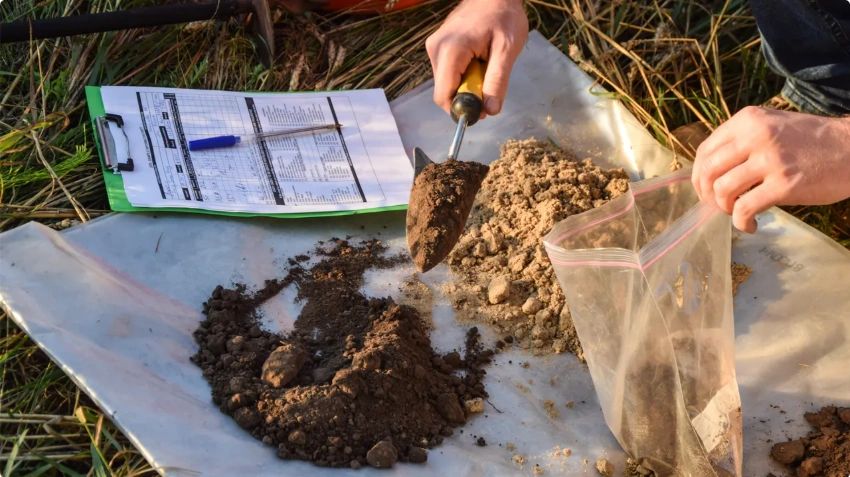
Frequently Asked Questions on Geotechnical Challenges
What are the primary geotechnical concerns during construction? Construction projects often face challenges such as varying soil properties, unstable ground conditions, and unpredictable rock mechanics. Understanding site-specific soil and rock behavior is essential for designing stable foundations.
How can potential ground failures be mitigated? A thorough geotechnical investigation helps in identifying potential risks early. This involves on-site inspections, laboratory testing, and detailed analysis of soil stratification to tailor appropriate reinforcement and stabilization techniques.
What role does rock and soil mechanics play in construction? Rock and soil mechanics are fundamental in assessing the ground's load-bearing capacity. They provide insights into the most effective foundation designs and excavation methods that ensure long-term stability.
How do local geological conditions affect construction outcomes? Geotechnical challenges can vary by region. For instance, projects in Sydney, New South Wales, require careful consideration of local rock formations and soil drainage patterns to optimize safety and cost-efficiency.
What actionable steps can be taken to address geotechnical issues?
- Conduct comprehensive site investigations
- Design foundation systems based on precise soil data
- Implement proactive ground stabilization measures
- Regularly monitor construction impacts on surrounding structures
Final Reflections on Geotechnical Mastery
In wrapping up our deep dive into geotechnical expertise, it's clear that a thorough understanding of soil mechanics and rock behavior forms the backbone of any safe and efficient construction project. Mastering these technical challenges not only prevents costly errors but also ensures long-term stability for structures in dynamic environments like Sydney and throughout New South Wales.
Key takeaways include:
- Assessment Importance: Evaluating site-specific soil and rock conditions is vital before proceeding with construction plans.
- Risk Mitigation: Implementing expert geotechnical assessments minimizes unforeseen issues and construction delays.
- Action Steps:
- Review detailed ground analyses for any upcoming projects.
- Prioritize safety by incorporating robust foundation designs.
- Consult local geotechnical specialists for tailored, region-specific insights.
By integrating these actionable steps, you empower your construction planning with proactive risk management and enhanced design strategies. Remember, the journey to resilient and secure structures begins with informed decision-making and a strategic approach to the fundamentals of geotechnical design. Stay committed to excellence and ensure every project lays a stable foundation for future success.
For more information and geotechnical expertise contact us at [email protected] or Whatsapp us at +61452075310

.png/:/cr=t:0%25,l:0%25,w:100%25,h:100%25/rs=w:1280)