Introduction
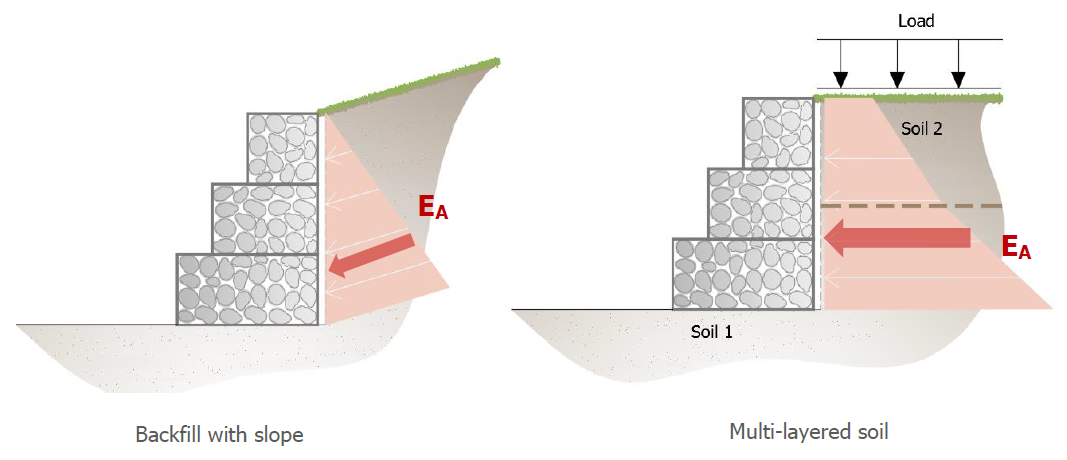
Gabion walls are structures made by filling wire mesh baskets with stones, creating a durable and flexible form of retaining or protective wall. They have been used for centuries, originally in military fortifications, but are now widely applied in civil engineering, landscaping, and erosion control.
One of the key advantages of gabion walls is their permeability. Unlike solid concrete walls, they allow water to pass through, reducing hydrostatic pressure buildup and lowering the risk of failure. This makes them especially useful in areas prone to drainage issues, riverbanks, or slopes where water movement is a concern.
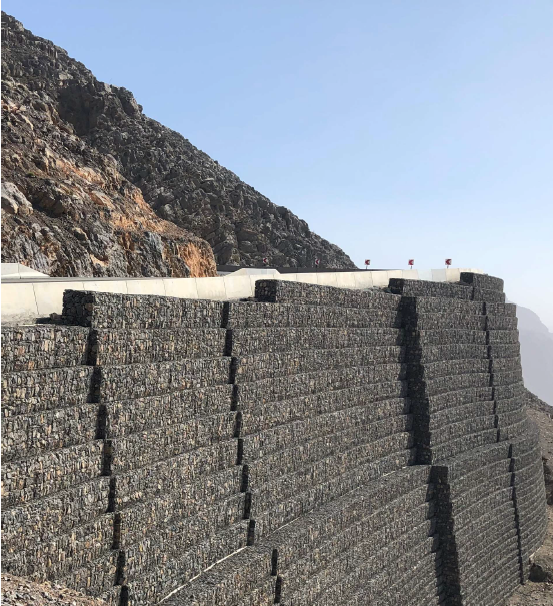 Figure 1 - United Arab Emirates,32-m high Retaining Wall
Advantage of Gabion walls
1.Flexible - Gabion walls are also valued for their flexibility. The wire cages can adjust slightly to ground movement without cracking, making them suitable for unstable soils or regions with minor seismic activity. Additionally, they are relatively easy to install and often require less skilled labor compared to traditional masonry or reinforced concrete walls.
2.Environment Friendly - From an environmental perspective, gabion walls can be more sustainable. They often use locally sourced stones, reducing transportation impacts, and over time, vegetation can grow within the gaps, helping the structure blend into the surrounding landscape and even improve habitat conditions.
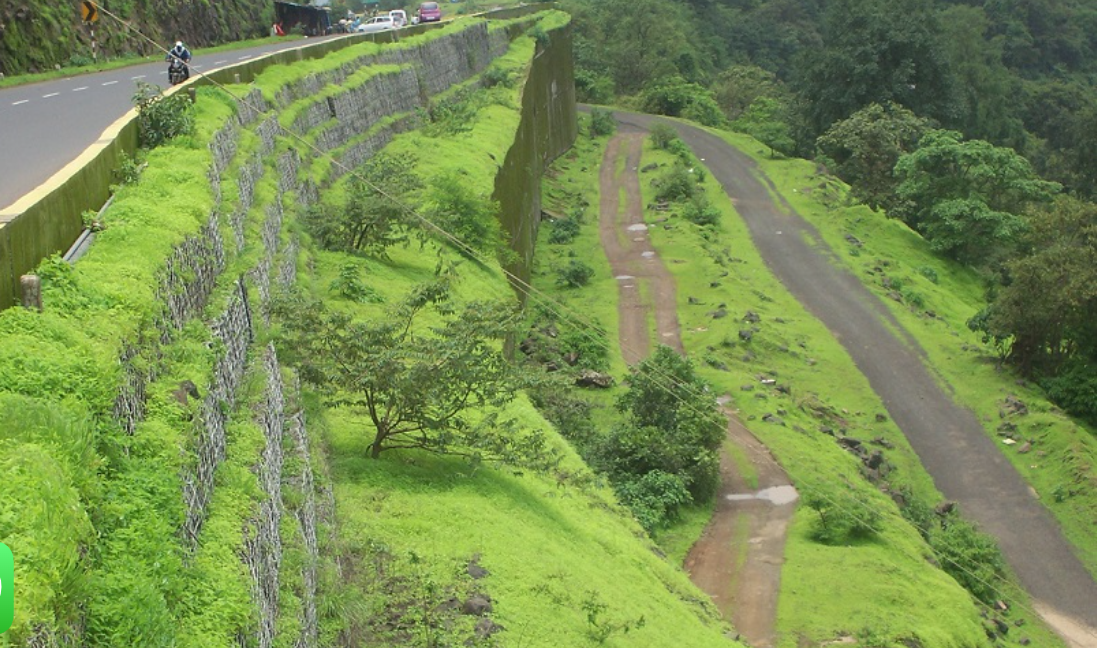 Figure 2 - Gabion Wall on The Mumbai Pune expressway
Drawbacks However, gabion walls do have some drawbacks. The wire mesh can corrode over time if not properly coated, especially in harsh environments. They may also appear less formal or polished than other wall types, which may not suit all architectural settings. Overall, gabion walls offer a practical, cost-effective, and environmentally friendly solution for retaining structures, erosion control, and landscaping projects.
How to decide where to use gabion walls instead of concrete gravity wall?
Use gabion walls when the site conditions favor drainage, flexibility, and speed; use concrete gravity walls when you need compactness, higher load capacity, or a cleaner architectural finish.
Here’s a practical way to decide:
Choose gabion walls if:
- The site has poor drainage or high groundwater. Gabions are permeable, so they relieve water pressure naturally without complex drainage systems.
- The ground is soft, uneven, or prone to settlement. Gabions can tolerate movement without cracking.
- You’re dealing with erosion control (riverbanks, channels, slopes). They dissipate flow energy well.
- Construction speed and simplicity matter, especially in remote areas where concrete supply is difficult.
- You want a lower-cost solution using locally available rock.
- A natural look or ecological integration (vegetation growth) is desirable.
Choose concrete gravity walls if:
- Space is limited and you need a thinner wall section for the same height.
- The wall must carry higher loads or support structures (e.g., near buildings or heavy traffic).
- You need precise geometry and a finished appearance (urban or architectural settings).
- The environment is highly aggressive (e.g., coastal with corrosion risk) where gabion mesh durability may be a concern unless specially treated.
- Long-term maintenance access is limited and you prefer a more permanent, rigid structure.
Rule of thumb:
For heights up to ~6–8 meters, moderate loads, and drainage concerns → gabions are often more economical and forgiving. For taller walls, tight footprints, or heavily loaded conditions → concrete gravity (or reinforced) walls are usually more appropriate. In practice, engineers also check factors like bearing capacity, sliding/overturning stability, and life-cycle cost but the points above will guide the initial choice quickly.
Why for Roads in Hilly Areas the Gabions wall with more than 10m height are Used?
1. Better drainage = safer on slopes Hilly areas often have seepage, springs, or heavy rainfall. Gabion walls let water pass through, so they don’t build up hydrostatic pressure behind them. A 10 m concrete wall would need a very well-designed drainage system if that fails, the risk of collapse goes up fast.
2. Flexibility on unstable ground Slopes in hilly regions are often made of weathered rock, loose soil, or landslide-prone material. Gabions can deform and settle without failing, while concrete walls are rigid and can crack or overturn if the foundation shifts.
3. Foundation challenges Building a tall concrete gravity wall needs a strong, well-prepared foundation. In hills, excavation is difficult and sometimes unsafe. Gabions can sit on less ideal foundations and still perform well.
4. Construction practicality Transporting cement, steel, formwork, and machinery up steep terrain is expensive and logistically tough. Stones are often locally available, so gabions are much easier and faster to build in remote areas.
5. Cost efficiency for large heights (in those conditions) Even though gabion walls become wide at the base, the overall cost can still be lower than reinforced concrete when you factor in transport, labor, and drainage systems.
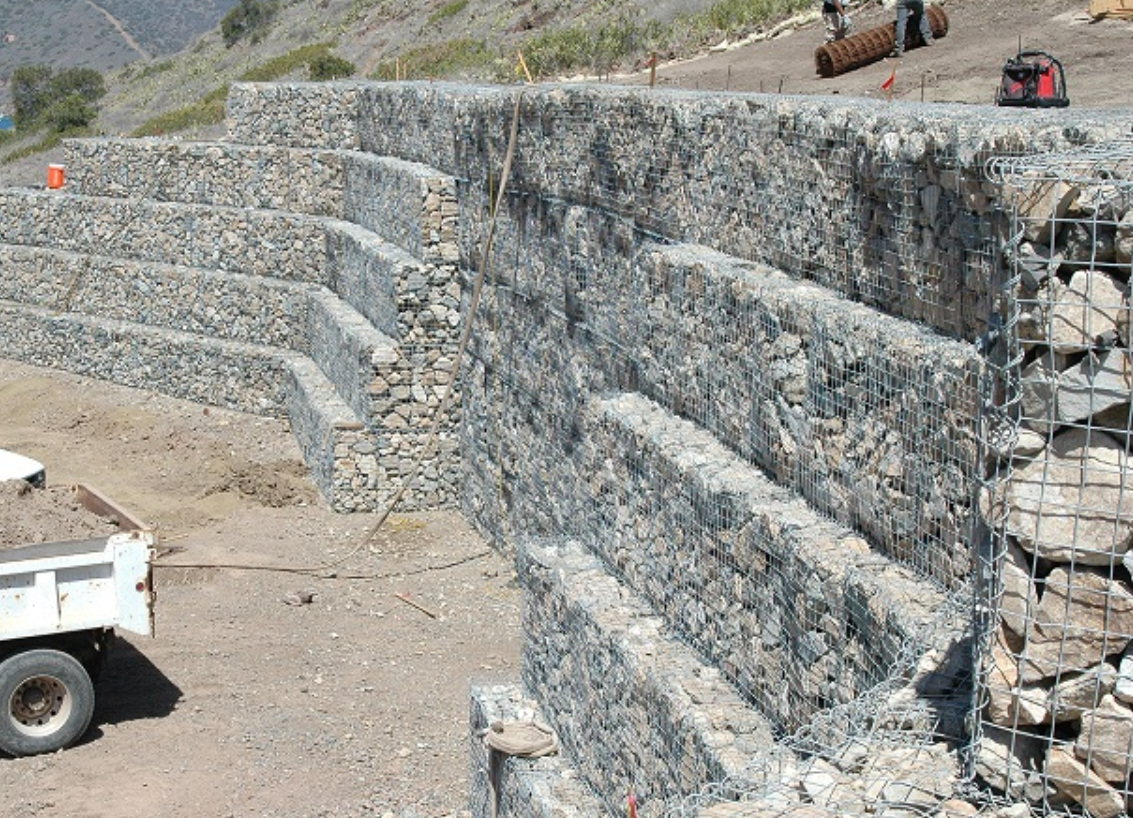
6. Stepped / terraced design Those >10 m gabion walls you’ve seen are usually not a single vertical wall, they’re built as stepped tiers. This:
- improves stability
- reduces pressure on each layer
- makes construction safer
7. Resistance to landslides and erosion Gabions act more like a mass + flexible system that can absorb movement and dissipate energy from small slides or water flow, which is common in hills.
It’s not that gabions are “stronger” than concrete they’re just more forgiving and practical under those specific conditions. If you had a perfectly stable foundation, easy access, and strict space limits, a concrete wall might still be preferred.
So in hilly terrain, engineers often choose gabions not because of height limits, but because they handle water + movement + construction constraints much better.